Column · @thegardenseat
Outdoor dining chair height and comfort at the table
Comfort at an outdoor dining table rarely comes from the table alone. The chair sets the position of the whole body: feet on the ground, hips supported, elbows free to move, and eyes level with the people across the table. When seating height fits the table, a long meal feels relaxed. When it does not, even a well-made table can feel awkward.
This is especially relevant for resin patio chairs, a broad choice for outdoor dining because they are used around many styles of tables and in many settings. The practical question is not whether a chair looks generous, but whether its seat, back and arms work with the height of the surface it sits beside. A little attention to measurement can prevent the common problems of knees pressing into the frame, shoulders lifting toward the table, or diners sliding forward to reach their plates.
What seating height means in practice
Seating height is the distance from the ground to the top of the seat where a person sits. At a dining table, it needs to work with the table height to create a comfortable gap between the seat and the underside of the tabletop. That gap gives the thighs room, allows the body to sit back, and leaves space for hands and forearms to move during a meal.
Most outdoor dining sets are designed around a familiar relationship: a table at normal dining height paired with chairs whose seats sit well below it. The exact numbers matter less than the result. A diner should be able to sit with both feet flat, knees at roughly a comfortable angle, and thighs not pressed upward against the table apron. If the seat is too low, the table feels high and the shoulders may rise. If the seat is too high, the knees can crowd the underside of the table, or the body may feel perched rather than supported.
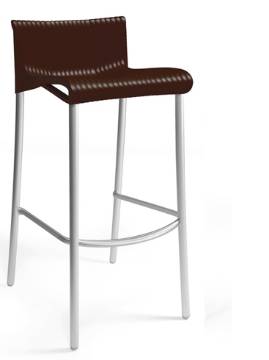
Resin seating can vary in shape as much as any other outdoor furniture. Some chairs have a gently curved seat, some have a more upright back, and some include arms that affect how close the chair can pull under the table. The stated seat height is only a starting point. The seat contour, leg angle and arm design all change how the chair feels once someone sits down.
How the table and chair work together
Think of the table and chairs as one system. The tabletop height, the thickness of the table edge, the position of the apron, and the chair seat height all affect table clearance. A slim tabletop with no deep frame underneath gives more room than a heavy top with a broad apron, even when the two tables measure the same at the top.
Arms are another quiet factor. They can make a chair feel more secure, particularly for older guests or anyone who likes support when standing. At the same time, arms can stop a chair from sliding close enough to the table. That may leave plates farther away and encourage people to lean forward. If armrests are part of the design, check the space between them when two chairs are placed side by side. Tight seat spacing can make a table feel crowded even when there are enough places set.
Back angle matters too. An upright back supports a more formal dining posture, while a relaxed angle can feel pleasant in a poolside setting but may leave people sitting farther from the table. Neither is automatically better. The right choice depends on whether the table is used for long meals, casual snacks, work, or conversation.
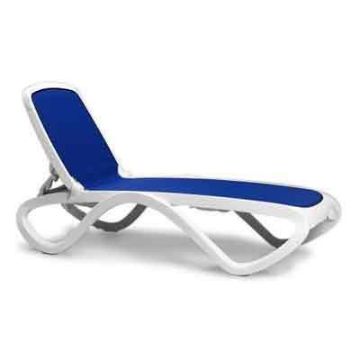
A chaise is a different kind of comfort problem. A Nardi Omega Chaise Lounge belongs in the lounging side of an outdoor setting rather than at a standard dining table, because its long seat and reclining position are made for resting. It can sit beside a dining area as part of the same outdoor layout, but it should not be treated as a direct substitute for a dining chair when the main activity is eating at a table.
Why resin changes the comfort conversation
Resin furniture is often chosen for outdoor use because it suits exposed settings and is available in many forms, from dining chairs to benches and poolside pieces. Its comfort depends on design details rather than the material name alone. A resin chair can feel supportive if the seat is shaped well, the back follows the body, and the height suits the table. It can also feel tiring if the seat is shallow, the back is too straight, or the surface feels slick when damp.
Unlike upholstered indoor chairs, resin seating usually has less soft give. That makes the shape of the seat more noticeable. A slight contour can help, but an extreme curve may push the body into one position. For outdoor dining, a seat that feels neutral and stable is often better than one that tries to cushion everything.
Resin chairs are also easy to move in many outdoor layouts, and stackable chairs can be useful when a table needs to serve different numbers of guests. The trade-off is that stacking designs may have simpler frames and less padding, so comfort should be checked with the same care as any other chair. A chair that stacks neatly but leaves people shifting after a short meal is not doing its main job.
What to check before choosing
The clearest check is a simple seated comparison. Place the chair at the intended table and sit down without adjusting the body to compensate. The feet should rest comfortably on the ground. The thighs should have room beneath the table. The forearms should reach the tabletop without the shoulders lifting. The back should feel supported without forcing the chest too far forward.
It also helps to look beyond one seat. Outdoor tables often host different guests, and people vary in height and build. A chair that suits one person may feel tight for another, especially where the seat is narrow or the back is fixed at a sharp angle. A modest amount of flexibility in posture is useful. Guests should be able to sit upright, lean back slightly, and move their arms without bumping the table frame or a neighbouring chair.
Another point is the surface beneath the chairs. Patio paving, boards, gravel and poolside decking can change the effective height of both table and chair. A chair that feels level on a smooth floor may wobble or sit unevenly on textured ground. Since an uneven chair changes posture, it can change comfort even when the measurements are correct. Check that all legs make steady contact and that the table itself does not rock.
In a mixed outdoor area, a dining set may sit near loungers, benches, swings and other pieces. The Nardi Omega Chaise Lounge can be part of that wider arrangement when the aim is to give people places to relax before or after eating. Keeping the dining chairs aligned with the table, and keeping lounging pieces in their own zone, makes the space easier to use. The table should not become a catch-all spot for seating that was designed for a different posture.
Turning height into a comfortable layout
Good seating height supports the way a table is used. For a dedicated dining area, choose chairs that let people sit close enough to eat comfortably and stay settled through a full meal. For a more flexible space, look for chairs that are easy to move, stack or rearrange, while still giving the body enough support. Bench seating can save room along one side, but it reduces individual adjustment because each person shares the same continuous seat line.
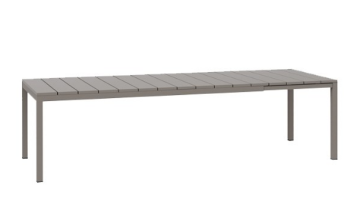
The size of the table matters as well. A generous tabletop creates serving space, but it can also put people too far apart for easy conversation. A smaller table brings people closer, yet it may feel cramped if chairs have broad arms or deep frames. The aim is a balanced conversation area where guests can reach what they need without feeling boxed in.
For anyone comparing resin patio chairs, the most useful habit is to judge the seat in relation to the table it will actually serve. Measure where needed, then pay attention to posture: feet, thighs, forearms and back. Comfort is rarely about one perfect number. It comes from the fit between several small details, and that fit becomes obvious as soon as people sit down and stay awhile.